
Introduction
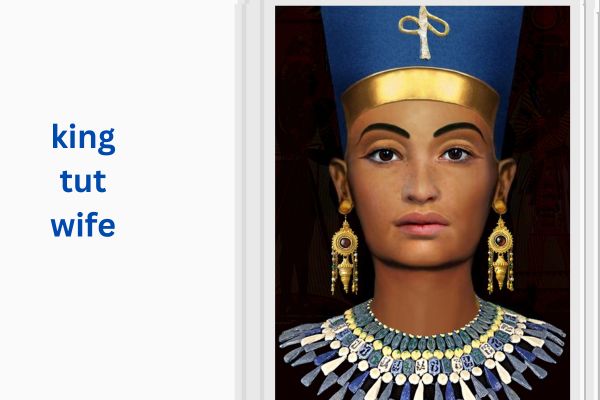
King Tut wife was Ankhesenamun, an ancient Egyptian queen born around 1348 BC in Akhetaten (modern Amarna, Egypt). She was an Egyptian royal princess and queen of the 18th Dynasty, best known as the wife and Great Royal Wife of Pharaoh Tutankhamun.
King Tut, also known as Tutankhamun, was one of ancient Egypt’s most famous pharaohs. Although he ruled for only about a decade, his nearly intact tomb made him one of history’s most recognizable rulers. The story of King Tut wife, Ankhesenamun, is equally fascinating. She was a daughter of Pharaoh Akhenaten and Queen Nefertiti, lived through one of Egypt’s most dramatic periods, and became queen at a young age. This article explores Ankhesenamun’s early life, royal background, marriage to Tutankhamun, family life, historical significance, and what happened to her after the young pharaoh’s death.
Who Is Ankhesenamun?
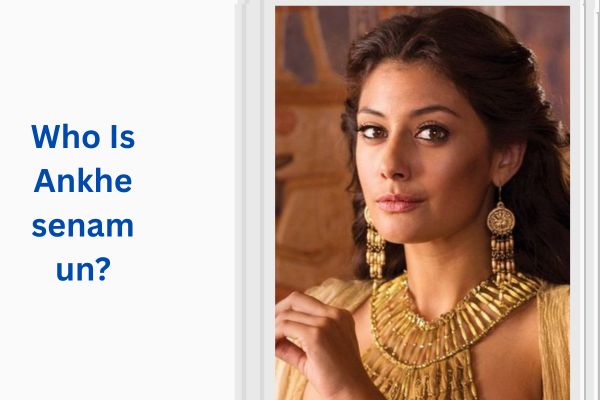
Ankhesenamun was an ancient Egyptian queen of the 18th Dynasty. She was born around 1348 BC in Akhetaten, the capital city established by her father, Pharaoh Akhenaten. Originally named Ankhesenpaaten, meaning “She Lives Through Aten,” her name reflected her father’s religious revolution that promoted worship of the sun disk Aten.
After the restoration of Egypt’s traditional religion, she changed her name to Ankhesenamun, meaning “She Lives Through Amun.” This change symbolized the return to the worship of the god Amun.
Ankhesenamun was likely the third daughter of Pharaoh Akhenaten and Queen Nefertiti. She spent her childhood in the royal palace at Akhetaten, receiving an education suitable for Egyptian royalty. Royal princesses learned religious customs, diplomacy, administration, and ceremonial duties that prepared them for leadership roles.
She lived during one of the most politically and religiously turbulent eras in Egyptian history. As a result, she witnessed the transition from her father’s controversial religious reforms back to Egypt’s traditional beliefs.
Today, historians remember Ankhesenamun as one of ancient Egypt’s most important queens because of her marriage to Tutankhamun and her mysterious disappearance from historical records after his death.
Ankhesenamun’s Career & Professional Life
Unlike modern public figures, ancient Egyptian queens did not have careers in the traditional sense. Instead, Ankhesenamun served as Great Royal Wife, one of the highest-ranking positions in the Egyptian kingdom.
As queen, she participated in important religious ceremonies, state events, and diplomatic activities. She often appeared beside Tutankhamun in temple carvings, statues, and inscriptions, demonstrating her importance within the royal court.
Ankhesenamun played a symbolic role in maintaining Egypt’s political stability during the restoration of traditional religion after Akhenaten’s reign. She supported her husband as he reversed many of his father’s religious changes and reopened temples dedicated to the traditional gods.
Several artifacts recovered from Tutankhamun’s tomb depict the royal couple together in affectionate scenes. These images suggest they shared a close relationship and ruled jointly during an important rebuilding period.
Because she lived over 3,300 years ago, no personal financial records exist. Therefore, historians cannot estimate her net worth in modern terms. However, as queen of Egypt, she enjoyed immense wealth, luxurious palaces, fine jewelry, elaborate clothing, and access to the kingdom’s vast resources.
Her historical legacy remains one of the most significant among ancient Egyptian queens.
How Did King Tut and Ankhesenamun Meet?
King Tutankhamun and Ankhesenamun almost certainly knew each other from childhood because they belonged to Egypt’s royal family.
Most historians believe they were half-siblings, sharing Pharaoh Akhenaten as their father. Royal marriages among close relatives were common in ancient Egypt because they were believed to preserve the divine royal bloodline.
The exact beginning of their relationship is unknown because few written records survive from that era. However, evidence suggests they married when they were both teenagers.
Tutankhamun became pharaoh around 1332 BC, and Ankhesenamun became his Great Royal Wife shortly afterward. Together they ruled during a crucial period as Egypt returned to traditional religious practices.
Unlike modern royal romances, there was likely no formal dating or public engagement. Royal marriages were arranged for political and dynastic reasons.
Many surviving artworks portray the young couple together in relaxed, affectionate scenes. These include images of the queen presenting flowers to Tutankhamun or standing beside him during ceremonies.
Their partnership represented political unity and the continuation of Egypt’s royal lineage during a time of major national change.
Marriage & Wedding Details
The exact date and location of Tutankhamun and Ankhesenamun’s wedding remain unknown. Historians believe they married around 1332 BC, shortly after Tutankhamun became pharaoh.
As members of Egypt’s royal family, their marriage likely took place in a grand palace ceremony attended by priests, nobles, military leaders, and court officials.
Royal weddings in ancient Egypt included religious rituals, offerings to the gods, ceremonial processions, lavish feasts, and official declarations recognizing the queen’s status.
Ankhesenamun became Great Royal Wife, the highest title given to an Egyptian queen.
Although few written descriptions survive, numerous statues, inscriptions, and treasures from Tutankhamun’s tomb confirm that the couple ruled together and shared an important place in Egypt’s royal history.
Children & Family Life
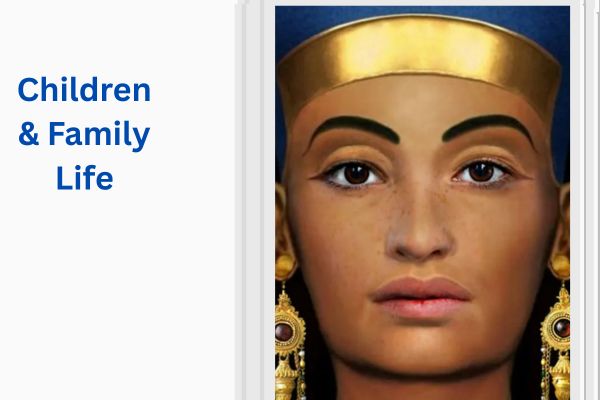
Historical evidence indicates that Tutankhamun and Ankhesenamun had two daughters, but sadly neither survived infancy.
The remains of two mummified baby girls were discovered inside Tutankhamun’s tomb in 1922. DNA studies strongly suggest they were the daughters of Tutankhamun and Ankhesenamun.
Their deaths meant the young royal couple left no surviving heir to continue the 18th Dynasty through their direct line.
Following Tutankhamun’s death around 1323 BC, Ankhesenamun found herself in a difficult political situation. She reportedly wrote to the Hittite king requesting one of his sons as a husband because she did not want to marry one of her own servants. The prince died before reaching Egypt, and Ankhesenamun soon disappeared from historical records.
Her ultimate fate remains one of ancient Egypt’s greatest mysteries.
Ankhesenamun on Social Media
Since Ankhesenamun lived more than 3,300 years ago, she obviously has no official social media accounts such as Instagram, Facebook, or X.
However, museums, Egyptologists, universities, and archaeological organizations frequently share images of artifacts connected to Ankhesenamun and Tutankhamun. Popular content includes photographs of ancient jewelry, statues, wall paintings, reconstructed portraits, and discoveries from Tutankhamun’s famous tomb.
History enthusiasts continue to learn about the life of King Tut wife through documentaries, museum exhibitions, educational websites, and archaeological research.
Quick Facts About King Tut Wife
| Detail | Info |
|---|---|
| Full Name | Ankhesenamun |
| Date of Birth | Around 1348 BC |
| Nationality | Ancient Egyptian |
| Profession | Queen of Ancient Egypt (Great Royal Wife) |
| Married to | Pharaoh Tutankhamun (King Tut) |
| Marriage Year | Around 1332 BC |
| Children | Two daughters (both died in infancy) |
| Net Worth | Unknown; possessed royal wealth as Queen of Egypt |
FAQ About King Tut Wife
Q: What is King Tut’s wife name?
A: King Tut’s wife was Ankhesenamun, an Egyptian queen and daughter of Pharaoh Akhenaten and Queen Nefertiti.
Q: How old was Ankhesenamun?
A: Her exact birth date is unknown, but historians estimate she was born around 1348 BC and married as a teenager.
Q: What did Ankhesenamun do for a living?
A: Ankhesenamun served as the Great Royal Wife of Pharaoh Tutankhamun, participating in royal ceremonies and supporting the Egyptian monarchy.
Q: When did King Tut and Ankhesenamun get married?
A: Historians believe they married around 1332 BC, shortly after Tutankhamun became pharaoh.
Q: How many children did King Tut and Ankhesenamun have?
A: They had two daughters, but both babies died before reaching adulthood and were buried in Tutankhamun’s tomb.
Conclusion
Ankhesenamun remains one of ancient Egypt’s most intriguing queens. As King Tut wife, she witnessed dramatic religious reforms, political change, and the challenges of ruling during a turbulent period in Egyptian history. Although many details of her life remain uncertain, archaeological discoveries continue to reveal new insights into her relationship with Tutankhamun and the royal family. Her story remains closely connected with one of history’s most famous pharaohs, ensuring that King Tut wife continues to fascinate historians, archaeologists, and visitors to museums around the world.